TUTORIALS

Why Use an L-Bracket
By Mario Valkenborg – Valk-Photography
01: Introduction – What is an L-Bracket?
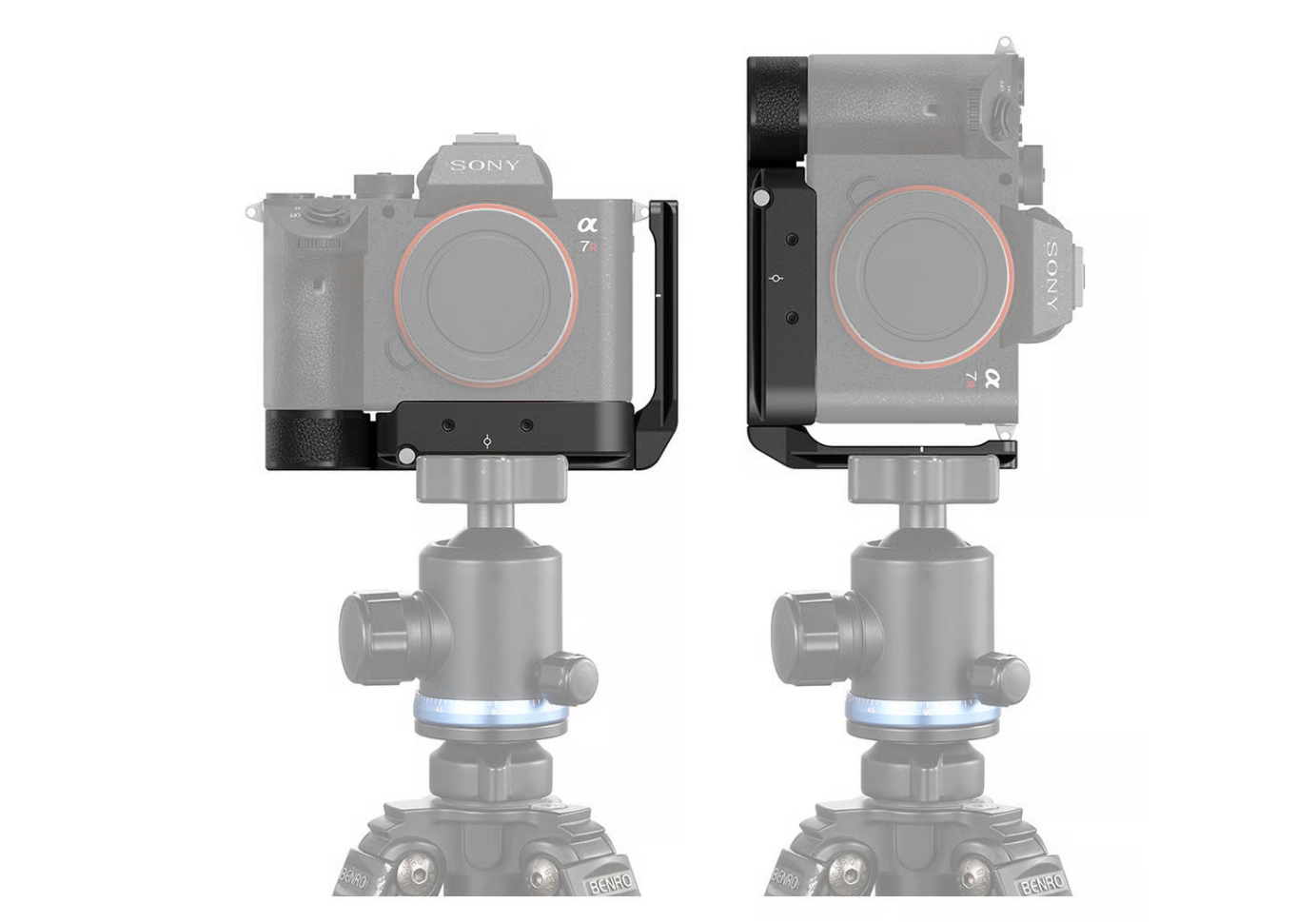
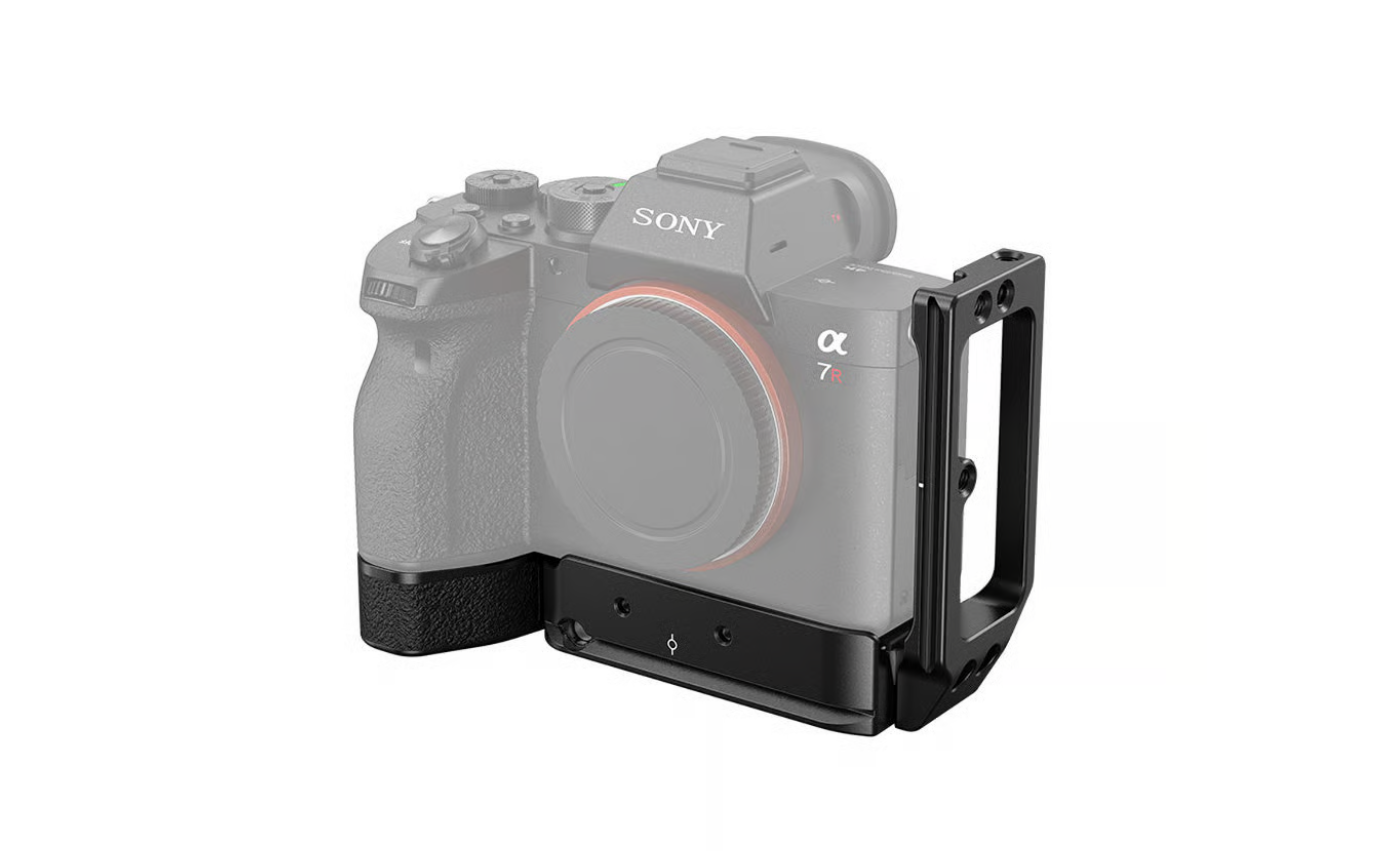
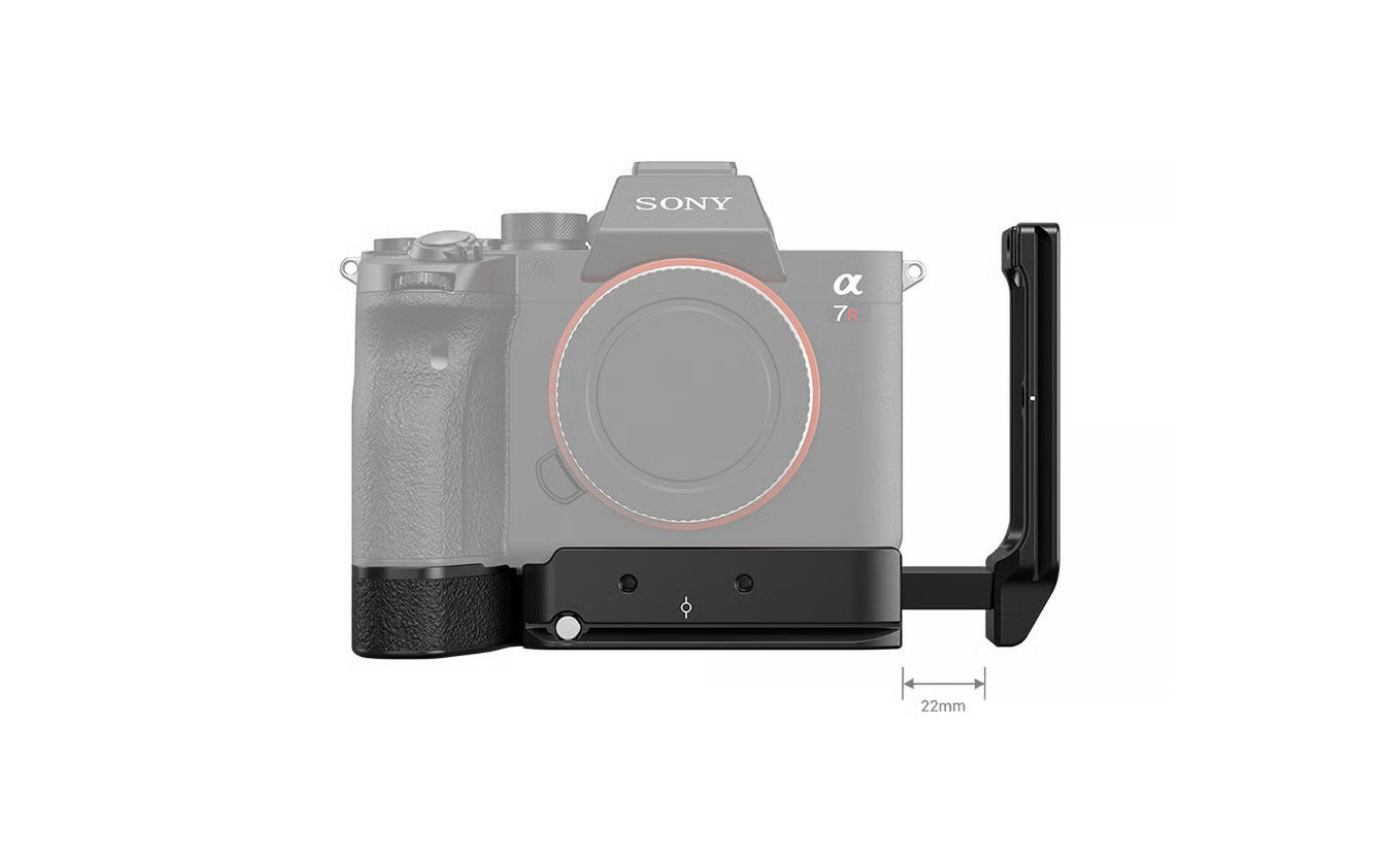
An L-bracket (also called an L-plate) is a metal bracket—usually made of aluminum—that is mounted around the camera body in the shape of an L.
One side is attached to the bottom of the camera
The other side runs along the side of the camera
The L-bracket is designed to work with an Arca-Swiss compatible tripod head, which is the most commonly used standard in landscape and nature photography.
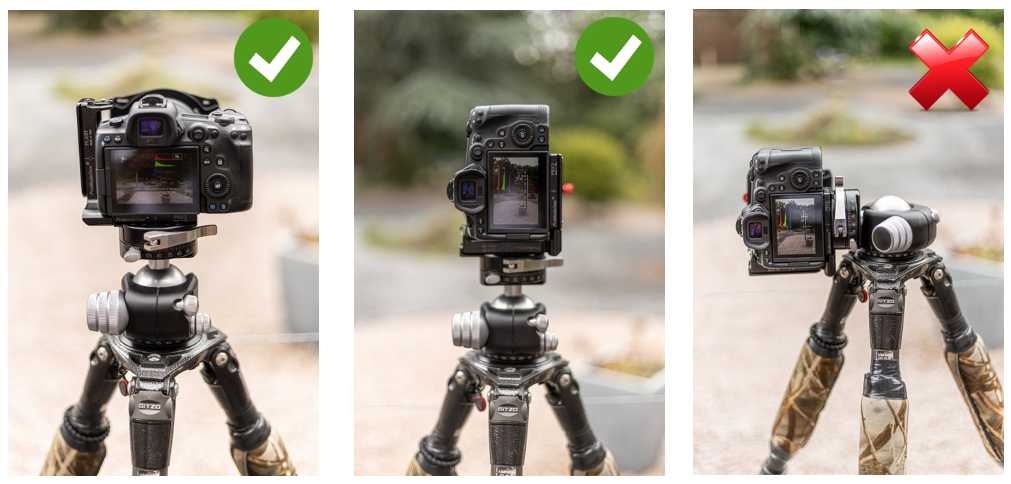
👉 The main advantage: you can mount your camera on a tripod both horizontally and vertically without having to tilt the tripod head.
02: The Biggest Problem Without an L-Bracket
When you switch from horizontal (landscape) to vertical (portrait) orientation on a tripod without an L-bracket:
You have to tilt the tripod head to the side
The camera ends up hanging next to the tripod
The center of gravity shifts
Consequences:
❌ Reduced stability
❌ Higher risk of vibrations
❌ Increased chance of the tripod tipping over in windy conditions
❌ Composition changes (the camera drops or shifts)
03: What Does an L-Bracket Solve?
With an L-bracket:
You switch from horizontal to vertical orientation without tilting the tripod head
The camera remains centered above the tripod
Result:
✔ Maximum stability
✔ Faster workflow
✔ Consistent composition
04: Stability and Sharpness (Crucial for Landscape Photography)
An L-bracket is not a luxury, but almost a necessity for:
Landscape photography
Night photography
Long exposure photography
Use of telephoto lenses
Windy conditions
Why?
Reduced leverage
Fewer micro-vibrations
Sharper images during long exposures
👉 Especially when using ND filters, during blue hour, and in astrophotography, the difference is very noticeable.
05: Faster and More Efficient Workflow in the Field
Out in the field (cold, rain, wind, time pressure):
No fiddling with tilting and correcting
No need to recompose your image
Fewer mistakes
You simply click:
lock horizontal → take the photo
lock vertical → take the photo
Time saved and a calmer, more focused workflow.
06: Perfect Composition for Vertical Images
Without an L-bracket, tilting the camera causes:
The horizon to drop
The foreground to disappear
The framing to no longer work
With an L-bracket:
The composition remains identical
Only the orientation changes
This is essential for:
Waterfalls
Trees
Cliffs
Environmental portraits
Social media formats (4:5, 2:3)
07: Additional Benefits of an L-Bracket
Camera Protection
Extra protection for the camera corners
Reduced risk of damage from bumps or impacts
Grip and Ergonomics
Often provides additional grip
Especially useful when wearing gloves
Accessory Compatibility
Many L-brackets:
Have cut-outs for cables
Do not block battery or SD card doors
08: Universal vs Camera-Specific L-Brackets
Universal L-Bracket
✔ More affordable
❌ Less precise fit
❌ May block access to ports
Camera-Specific L-Bracket (Recommended)
✔ Perfect fit
✔ Full access to buttons and compartments
✔ Better balance
Popular brands include Really Right Stuff, Leofoto, and SmallRig.
09: Who Is an L-Bracket Really For?
An L-bracket is highly recommended if you:
Regularly use a tripod
Photograph landscapes
Create vertical compositions
Travel or attend photography workshops
Strive for maximum image quality
❗ For casual handheld photography it is less essential, but even then it offers extra grip and protection.
10: Conclusion by Mario Valkenborg – Valk-Photography
An L-bracket:
Increases stability
Improves sharpness
Speeds up your workflow
Keeps your composition consistent
👉 One of the best investments you can make—next to a solid tripod and tripod head—especially for landscape photographers.
Valk-Photography
The art of landscape photography
The power of combining equipment and technique to achieve perfection
About Mario Valkenborg
Mario Valkenborg is a landscape photographer and photo coach.
He helps photographers translate technical skills into images with soul, emotion, and depth.
His motto
“A photograph should make you feel something.”